
- Home
- About Us
- Services
- Accounting Made Easy
- Key Benefits
- Our Clients
- Resources
- Resources
- Information & Articles
- Seven Sins to Avoid if You Want Business Success
- National Minimum Wage Rates (NMW) 2014 - 2015
- Advisory Fuel Rates (Company Car)
- Authorised Mileage rates (Own vehicle)
- VAT Registration & Deregistration Thresholds
- VAT Rates and Fractions
- Tips, Gratuities, Service Charges and Troncs
- VAT : Choosing the right scheme for your business
- Sole Trader / Partnership v Limited Company
- Downloads
- Links to useful websites
- Glossary
- Data Backup
- Tax Calendar 2012 - 2013
- Calculators
- Calculators
- Contact Us


Fraud prevention - Resources
 Is fraud happening in your business? Ten warning signs
Identifying that a colleague is stealing from your business difficult if the culprit is in a position of trust and has the knowledge and ability to manipulate the financial records and books.
However, there are a number warning signs to look out for which may indicate that fraud is being committed:
Our outsourced bookkeeping, accounting and payroll service provides secure controls to eliminate the risk of fraud or theft.
Outsourcing the day to day bookkeeping and accounting, together with payroll, removes the opportunity of internal fraud.
Our 'virtual accounts office' handles everything off-site on our premises, giving total confidentiality. None of your employees need know the details of your business finances. Access to company funds is fully regulated and audited.
To find out how we can provide your business with a secure 'virtual accounts office' contact us now
Factsheets
Fraud Advisory Panel factsheets
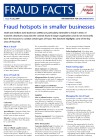
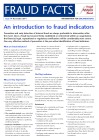
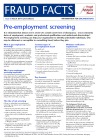
| Fraud Hotspots in Smaller Businesses | Introduction to Fraud Indicators | Pre-employment Screening |
... a paragraph ...
Fraud risks in schools and the educational sector
School governors share a responsibility for protecting
taxpayers’ money
School staff are usually completely trustworthy. However, things can sometimes go wrong. The financial impact on the school and possible loss to pupils can be significant. The emotional effect on close colleagues and impact on teaching cannot be underestimated.
Prevention is better than cure, and the Audit Commission has produced this advice pack for school governors Download it here
Further help
If you are a school governor, or involved in management of a school or college and are concerned about the possibilty of fraud within your establishemnt we can put you in touch with a firm of experienced forensic auditors who specialise in this area.
Where We Work
Tayfield House
38, Poole Road
Westbourne
Bournemouth
Dorset, BH4 9DW
- Tel: 01202 755600
- Fax: 01202 755744
- Email: [email protected]
Member of the Certified
Public Accountants
Association (CPAA)
Additional Services
- Budget planning & cashflows
- VAT & Inland Revenue enquiries
- Bank & investor financial reports
- Property portfolio management
- Representation at meetings with:
- VAT
- Inland Revenue
- Local Authorities
- Government Agencies
- Banks
Business Sector Expertise
- Building & construction
- Charities
- Conference & entertainment
- Fast food
- Hotels & hospitality
- Housing associations
- Legal & professional
- Manufacturing
- Property management
- Rest homes
- Retail
- Technology
- Tradesmen
Copyright © 2016 Accounting Services for Business. All rights reserved.
Sitemap | Legal | Privacy | Accessibility | Trademark
Website Design by Pixelfish

